Avoid these wet-in-wet mistakes
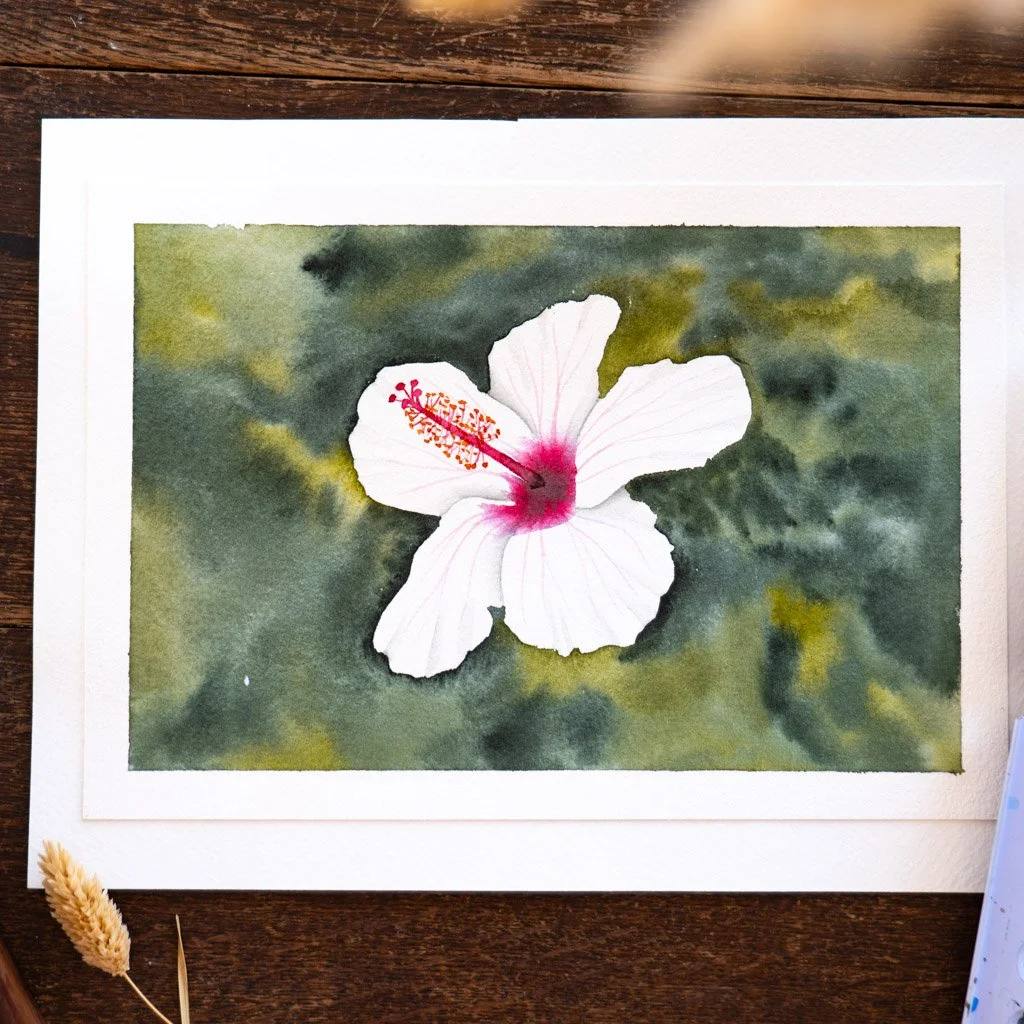
The whole background is painted wet-in-wet, creating this bautiful effect of light and darker greens.
The wet-in-wet technique is a real basic when it comes to watercolor. We work on a wet surface, either the paper is wet with clear water or still wet from a color we applied to the page earlier. It's the technique that creates these special effects, watercolor is famous for - and we all love.
But there are some pitfalls you should avoid when working wet in wet. These are the most common mistakes:
1) Being too slow, so the paint dries before you are ready
2) You haven't prepared this step in your painting good enough
3) Using the wrong materials, like paper and brushes
Wet-in-Wet Best Practice
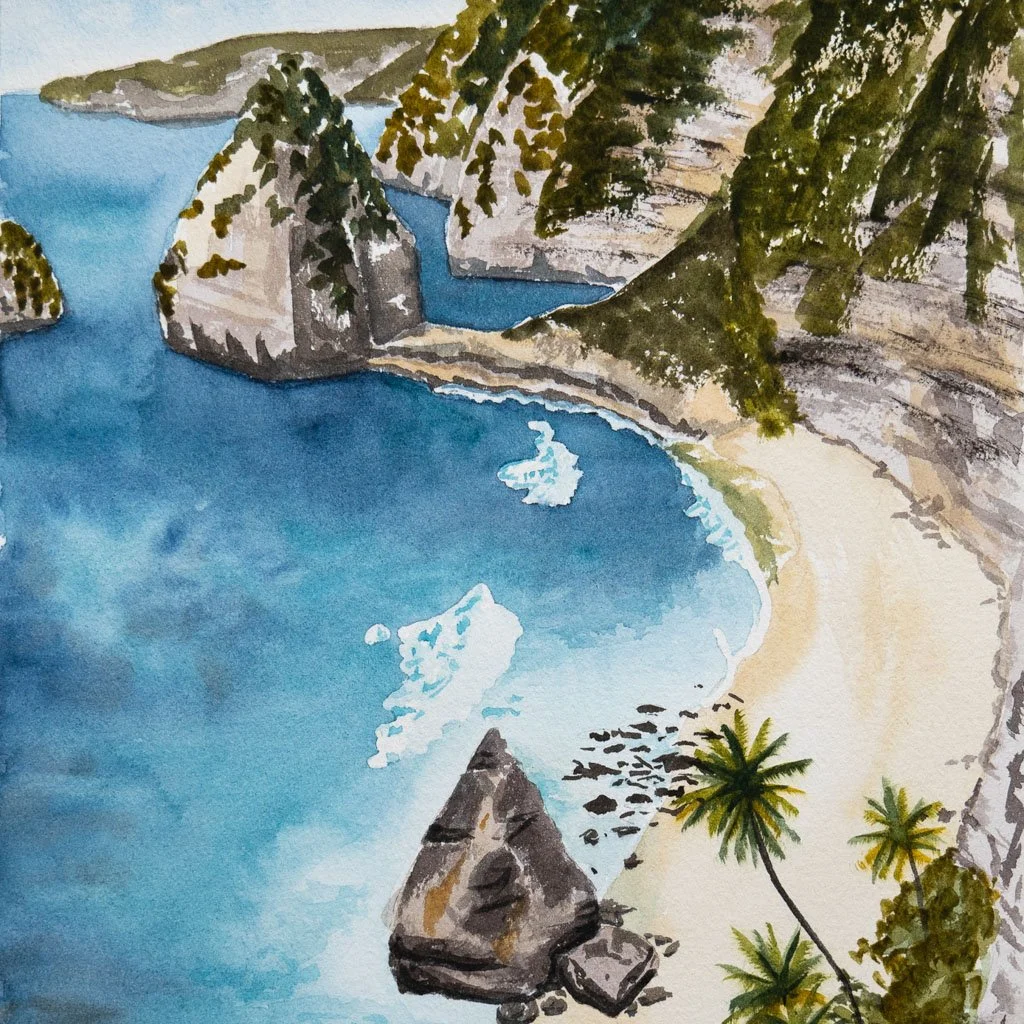
Only with the wet-in-wet technique can you create this effect on the ocean.
To create great effects with the wet-in-wet technique, you need to work fast enough. The whole step needs to be done before the paint is dry.
Therefore, you should plan your next step. What will you paint and which colors do you need for this part of your painting?
Then you need to prepare for this step. To save time as soon as the paper is wet, you can premix all the colors you need.
And finally, you need the right materials. 100% cotton paper makes working wet-in-wet in bigger areas possible. The paper stays wet longer, giving you more time to finish your wash. If you paint a big area, your brush needs to be big enough as well.
For the white hibiscus at the top of the article, the whole background is one wash of lighter and darker greens. I premixed enough greens and used one of my biggest brushes to achieve my goal of one smooth area.
The best Paper & Brushes
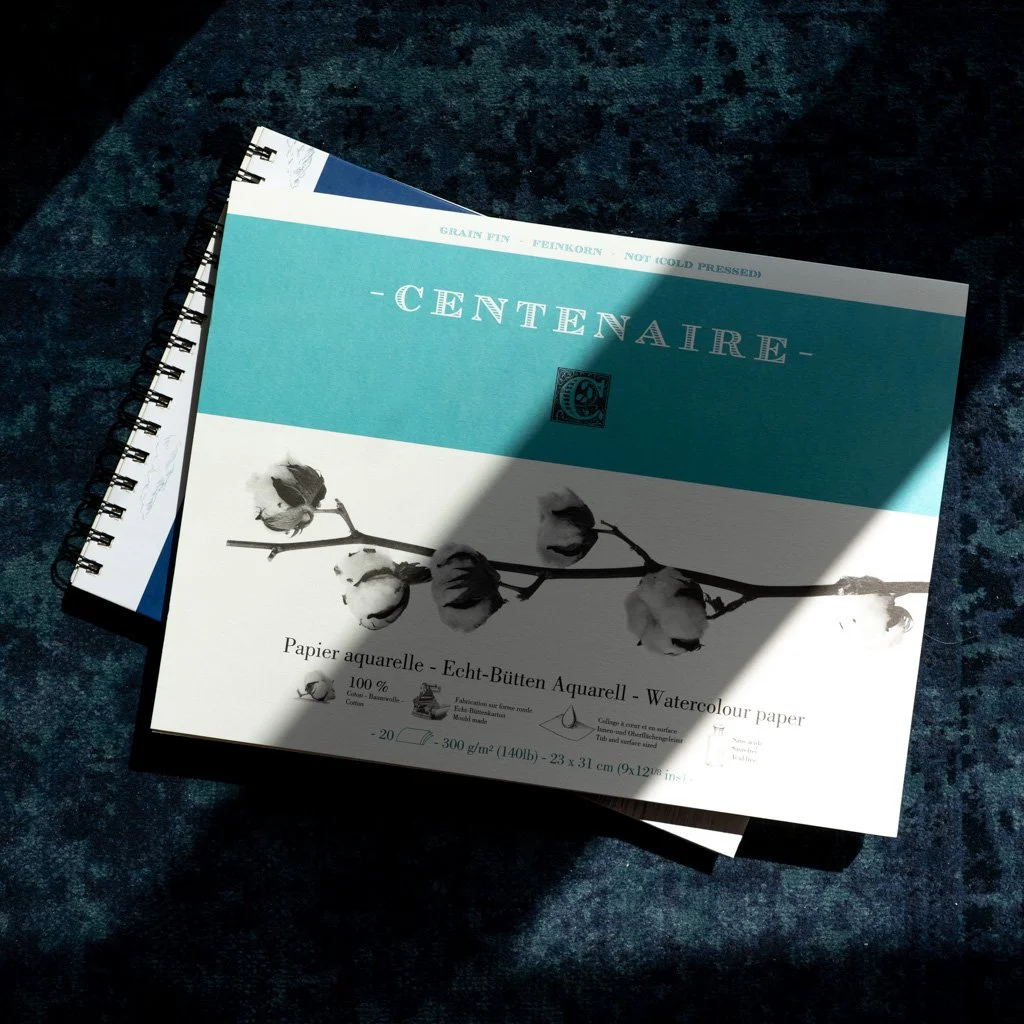
100% Cotton paper is such a game changer! For wet-in-wet cold pressed paper is the right choice. It's capable of holding a lot of water, while hot pressed paper is made for very fine illustrations and layering techniques.
I like to work on cold pressed, fine grain Watercolor Paper made from 100% cotton.
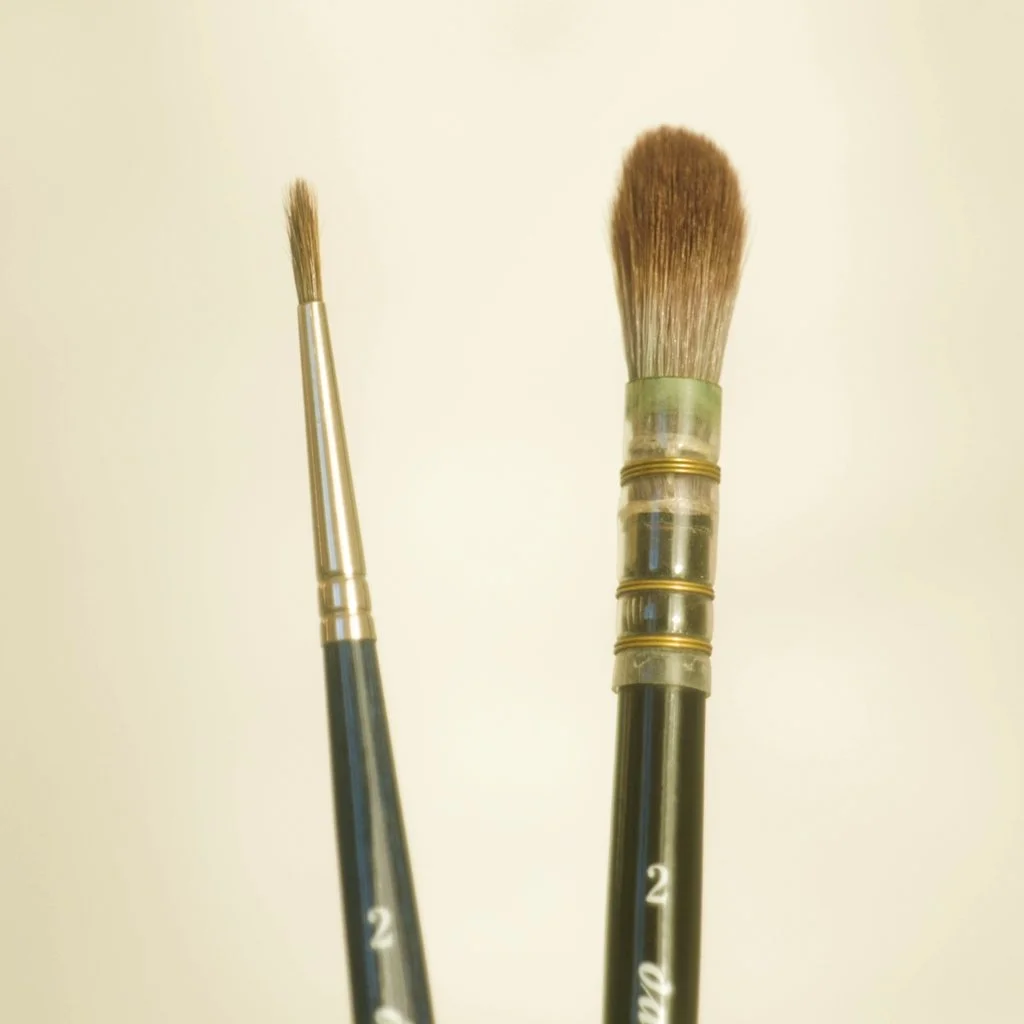
Just imaginge how long it would take to paint a big area with the small brush. One corner would bee dry before you painted the whole area.
I love the Casaneo Wash Brush by da Vinci. I have it in size 2 but the numbers vary a lot between different designs of brushes. So be sure to chose your brush based on the actual size, not numbers.
Free PDF Guide
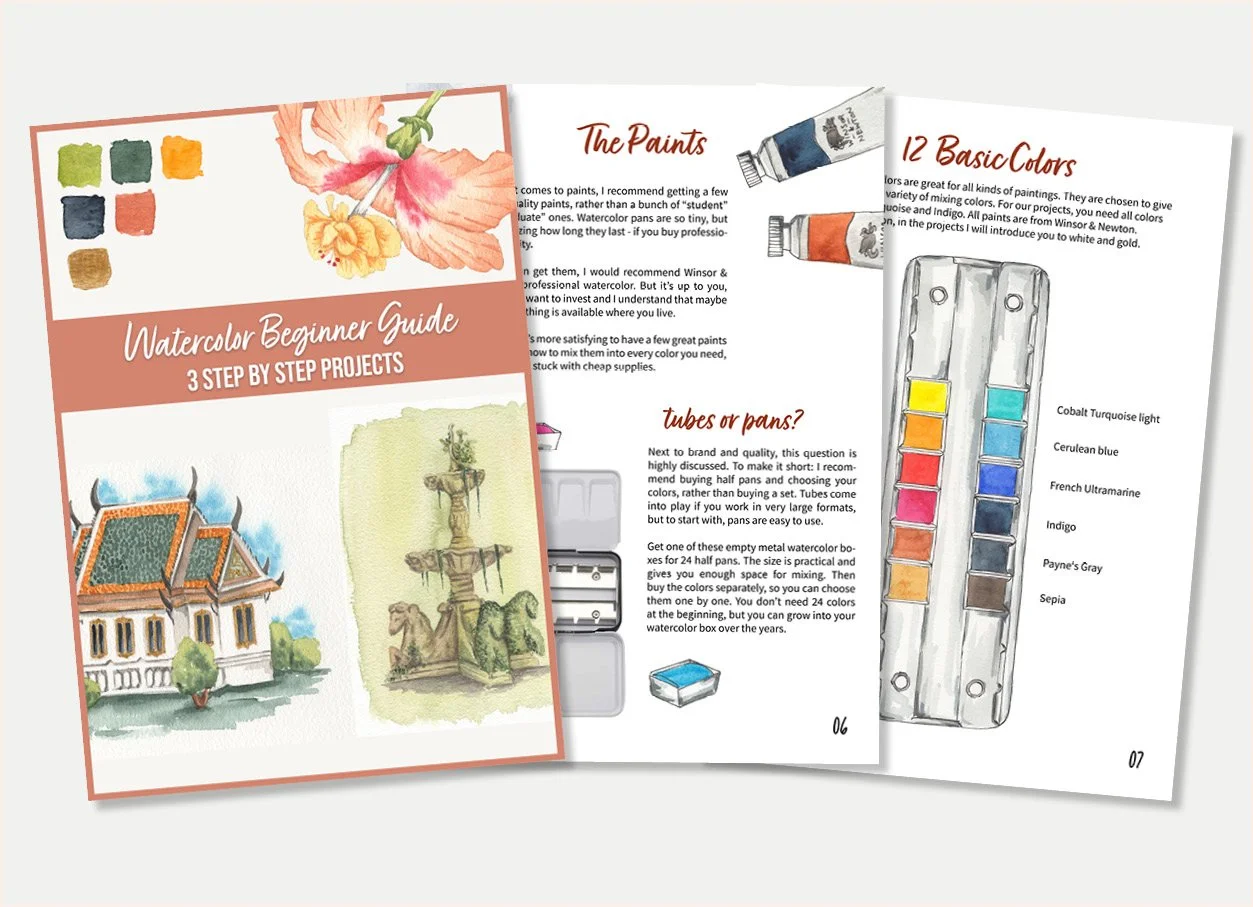
When joining the “Watercolor Magazine” Newsletter, you get this PDF Guide as a Welcome Gift.
Enjoy these beautiful step-by-step paintings. From the best material to color mixing, everything you need is covered.
The best? In the Guide, you’ll find a drawing template you can print and transfer to your watercolor paper.
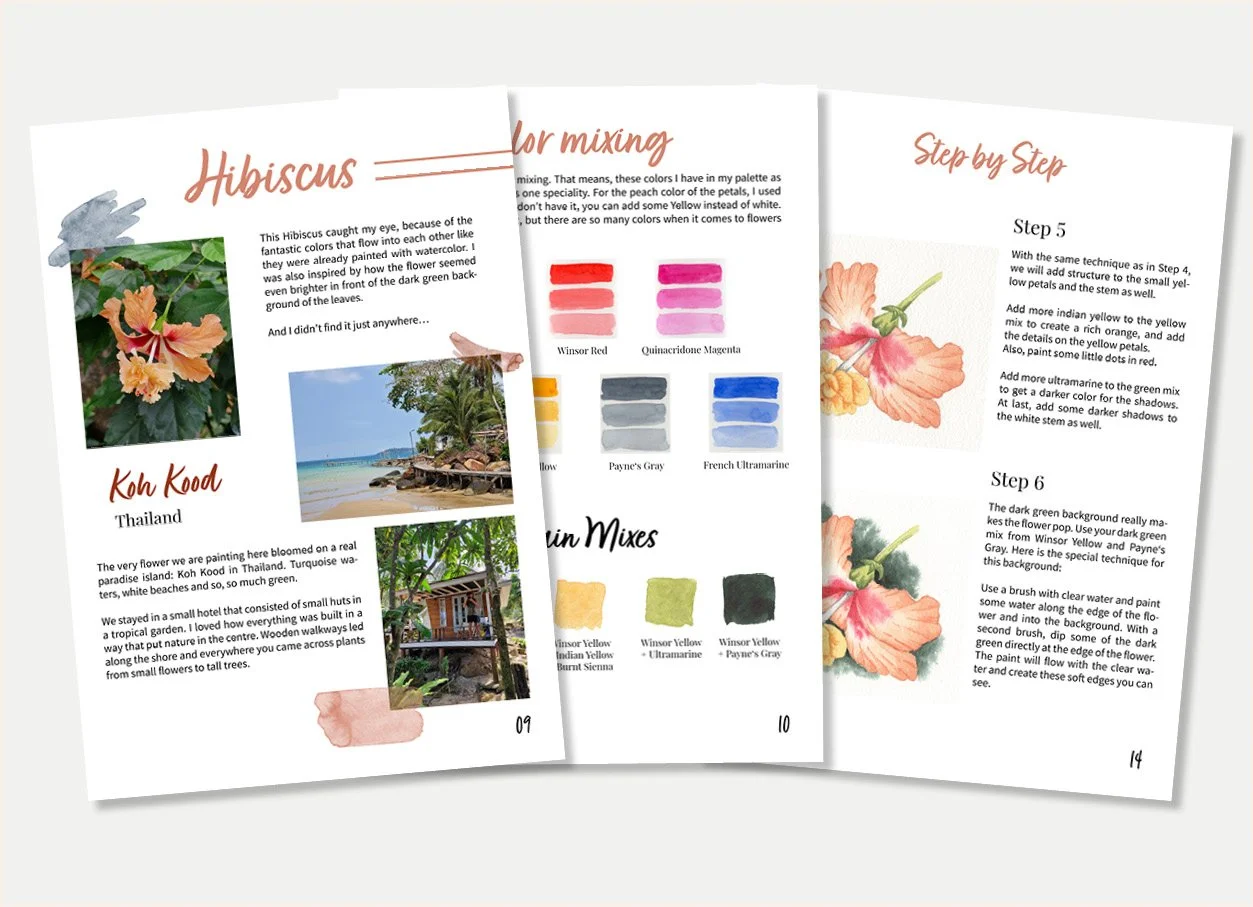
Tips for the best Watercolor supplies
Colors Mixing
Step-by-step with pictures & text
printable drawing template